
Swim London 2026
On Sunday morning, standing beside the Thames at Brentford, an idea that had occupied almost every part of my life finally became real.

On Sunday morning, standing beside the Thames at Brentford, I finally saw an idea that had occupied almost every part of my life become real.
Swimmers were arriving, volunteers were preparing the start area and our safety crews were taking their positions on the river. After months of permissions, planning, water-quality monitoring, safety meetings and more than a few moments of uncertainty, people were about to step into the Thames and swim through London.
Swim London was happening.
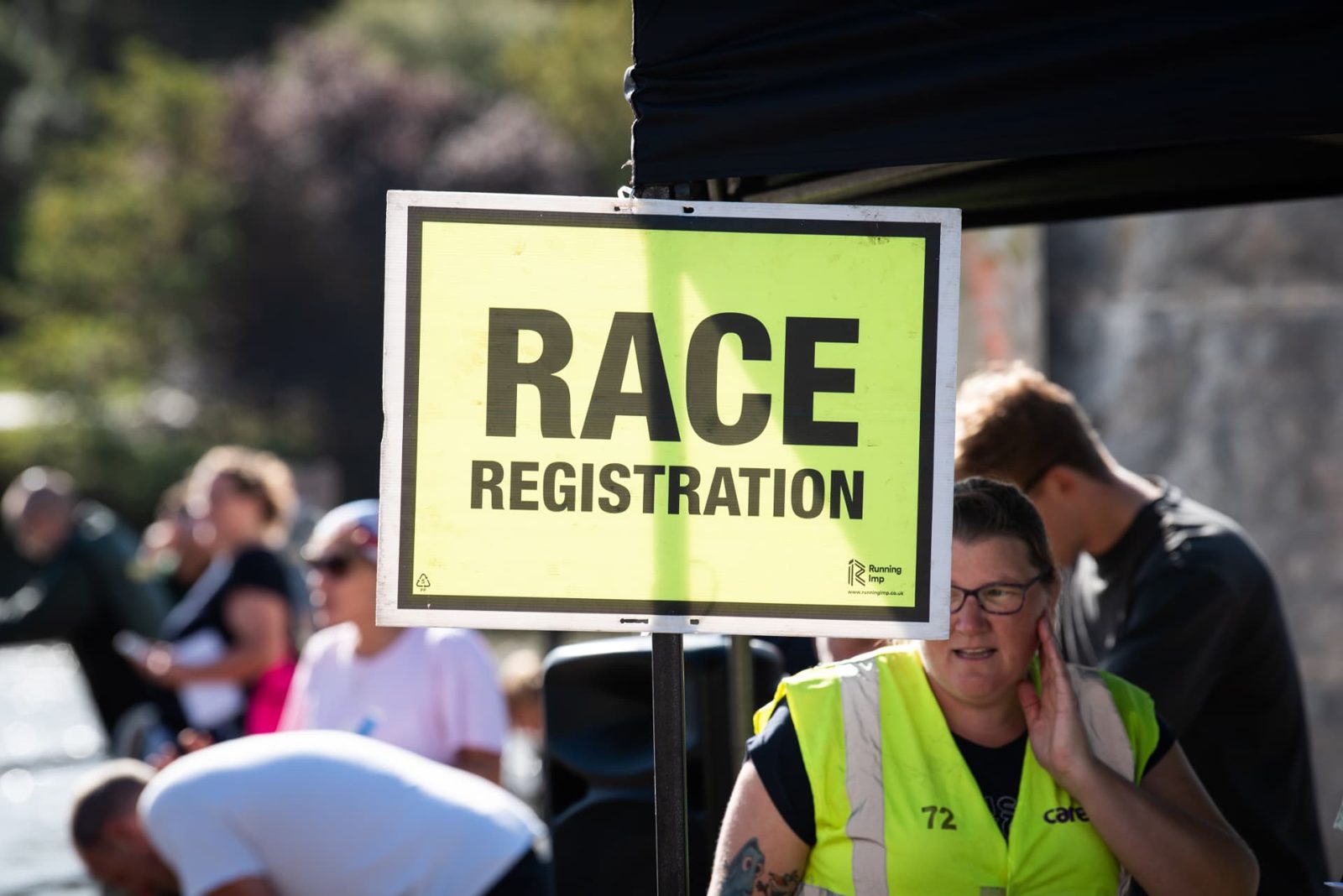
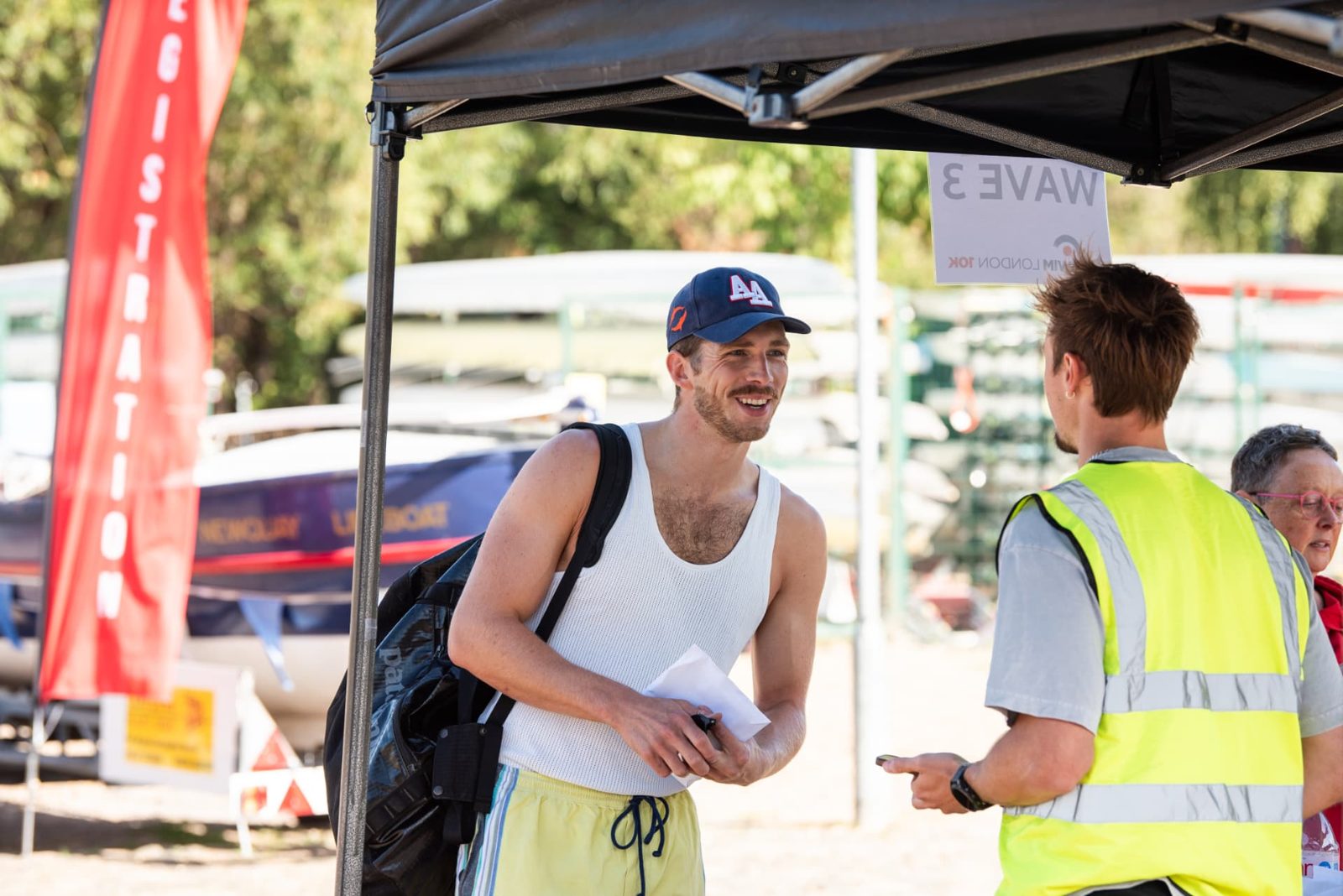
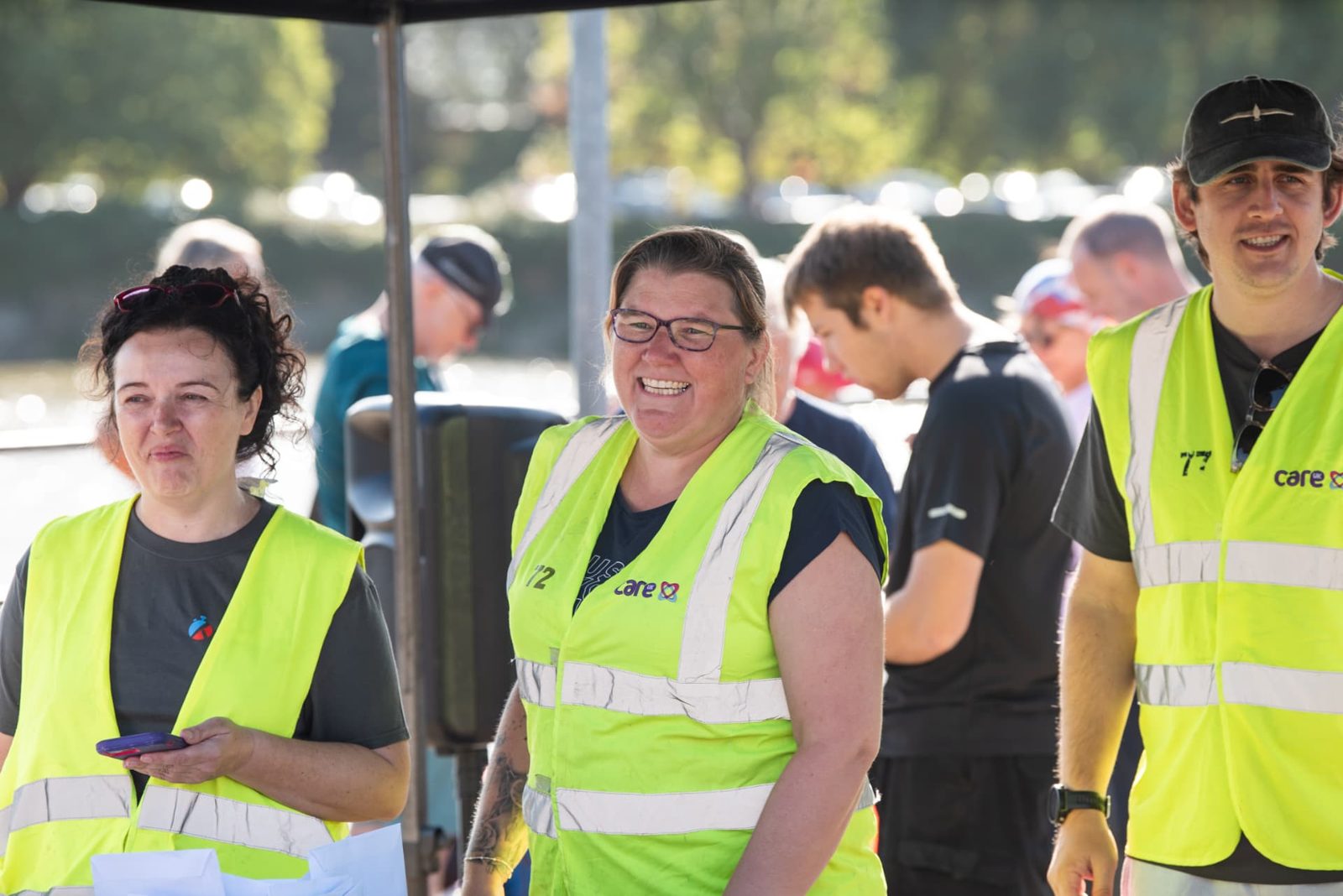
The idea behind the event was simple: London has one of the world’s great rivers, but most Londoners experience it from a bridge, a train window or the path running alongside it. I wanted to give people the chance to experience the Thames from within it.
For much of its recent history, the river has been associated with pollution rather than swimming. Yet people have swum in the Thames for generations, and the river once had a much closer relationship with everyday life in the city. Swim London was created to help rebuild that connection - safely, responsibly and with respect for everyone who uses the river.
The event offered two extraordinary journeys: 10km from Brentford to Putney and 5km from Barnes to Putney. Both routes allowed swimmers to see London from a completely different perspective, carried towards the finish by the tide.
Watching the first wave enter the water was a moment I will never forget. Until then, the event had largely existed as plans, documents, emails, meetings and conversations. Suddenly, it was real. There were swimmers in the Thames, surrounded by safety crews, making their way through the capital towards Putney.


There was also an enormous sense of responsibility. Organising an event on a tidal working river is complicated. We had to consider the tide, river traffic, water quality, emergency procedures, the movement of swimmers and the safety of everyone involved. A huge amount of work took place behind the scenes to make that one moment possible.
The uncertainty was probably the hardest part. When you attempt something new, there is no perfect blueprint to follow. You have to listen to people with more experience, ask the right questions, respond when things change and keep believing that the end result will justify the work.
On Sunday, it did.
The atmosphere on the river was everything I had hoped for. Swimmers supported one another, the safety teams created a reassuring presence throughout the course, and people gathered along the Thames to watch something unusual unfold.
Then, at Putney, swimmers emerged from the river with exhausted arms and enormous smiles. Some were experienced marathon swimmers. For others, simply reaching the finish represented the culmination of months of training and a challenge they had not previously believed possible.
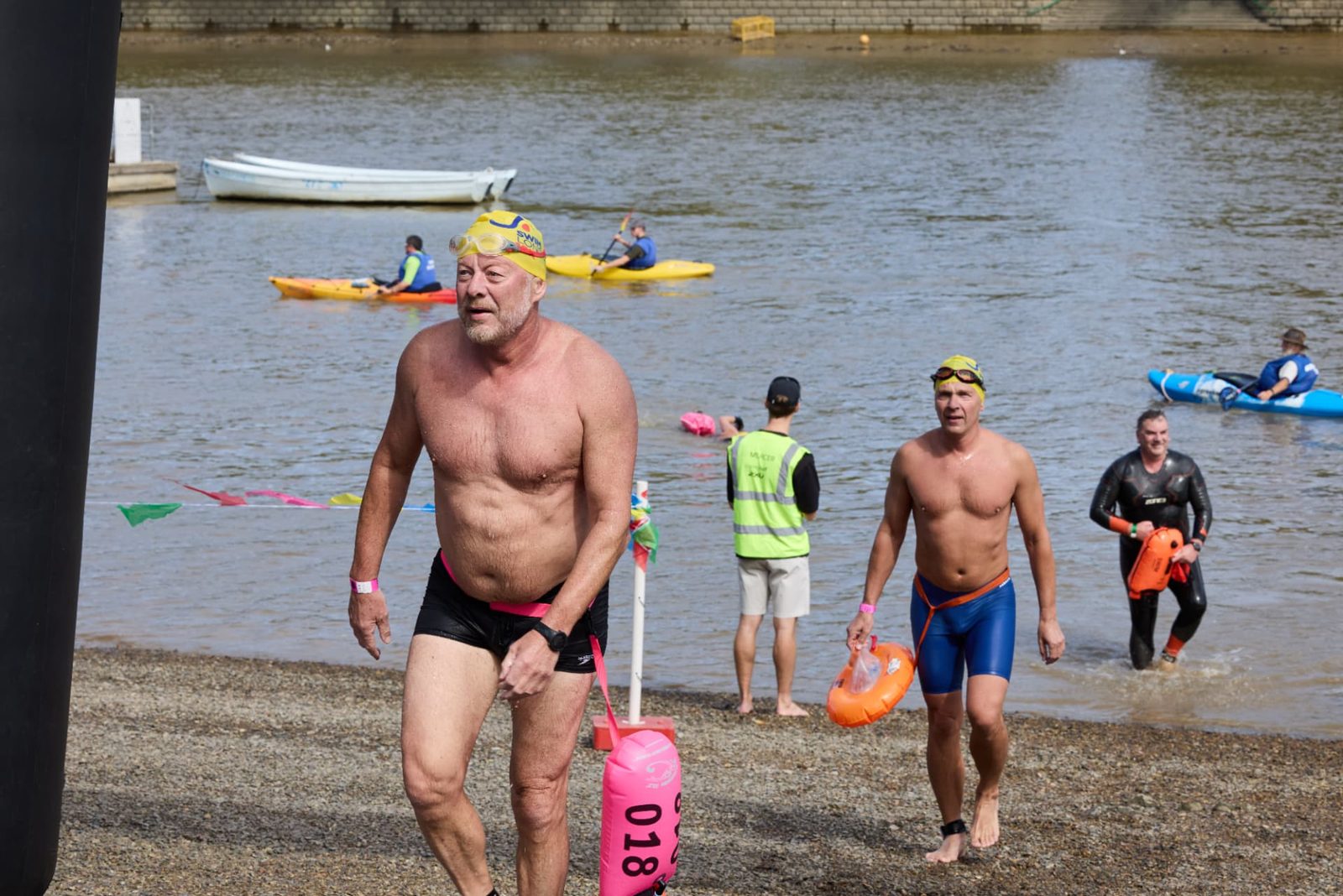
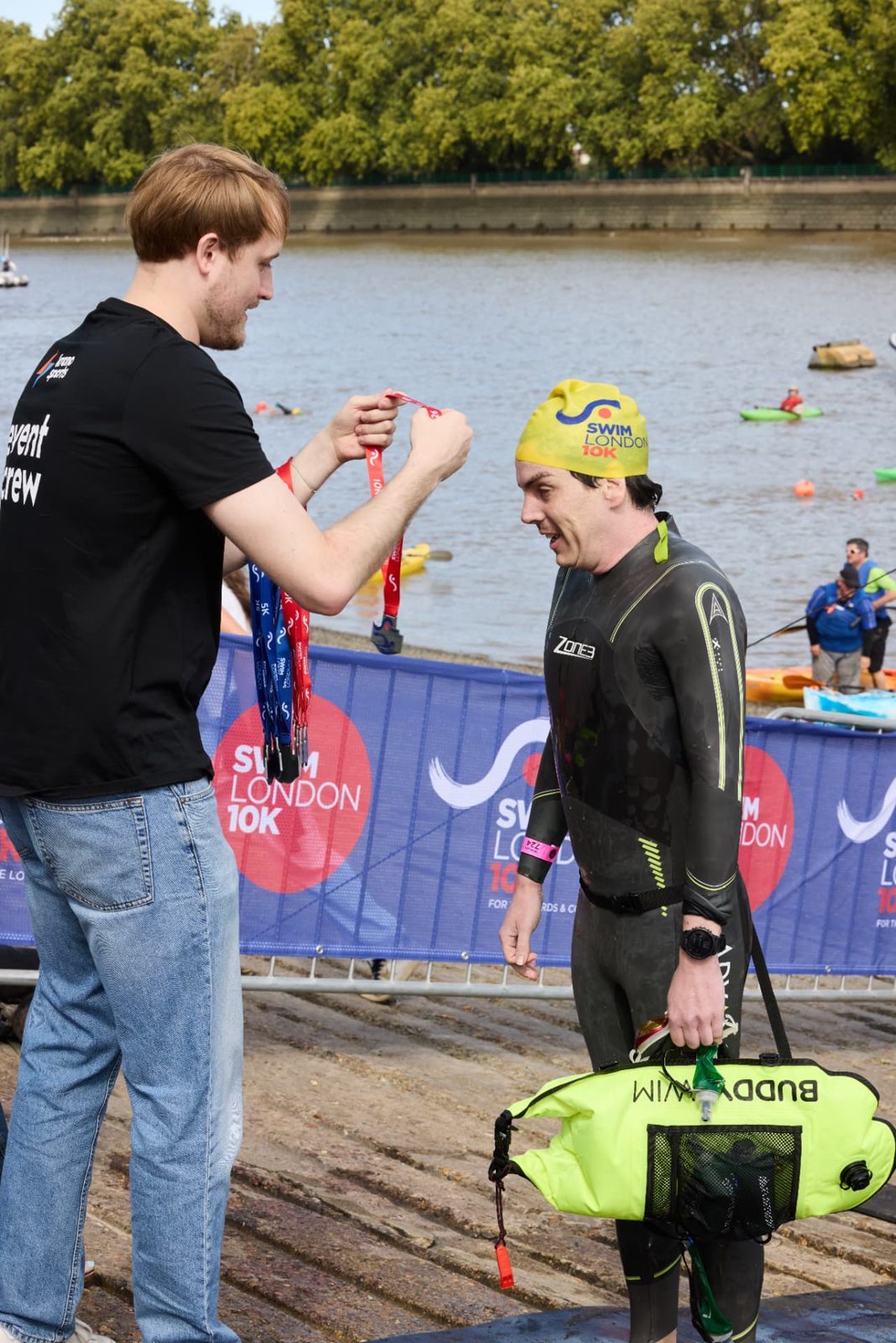
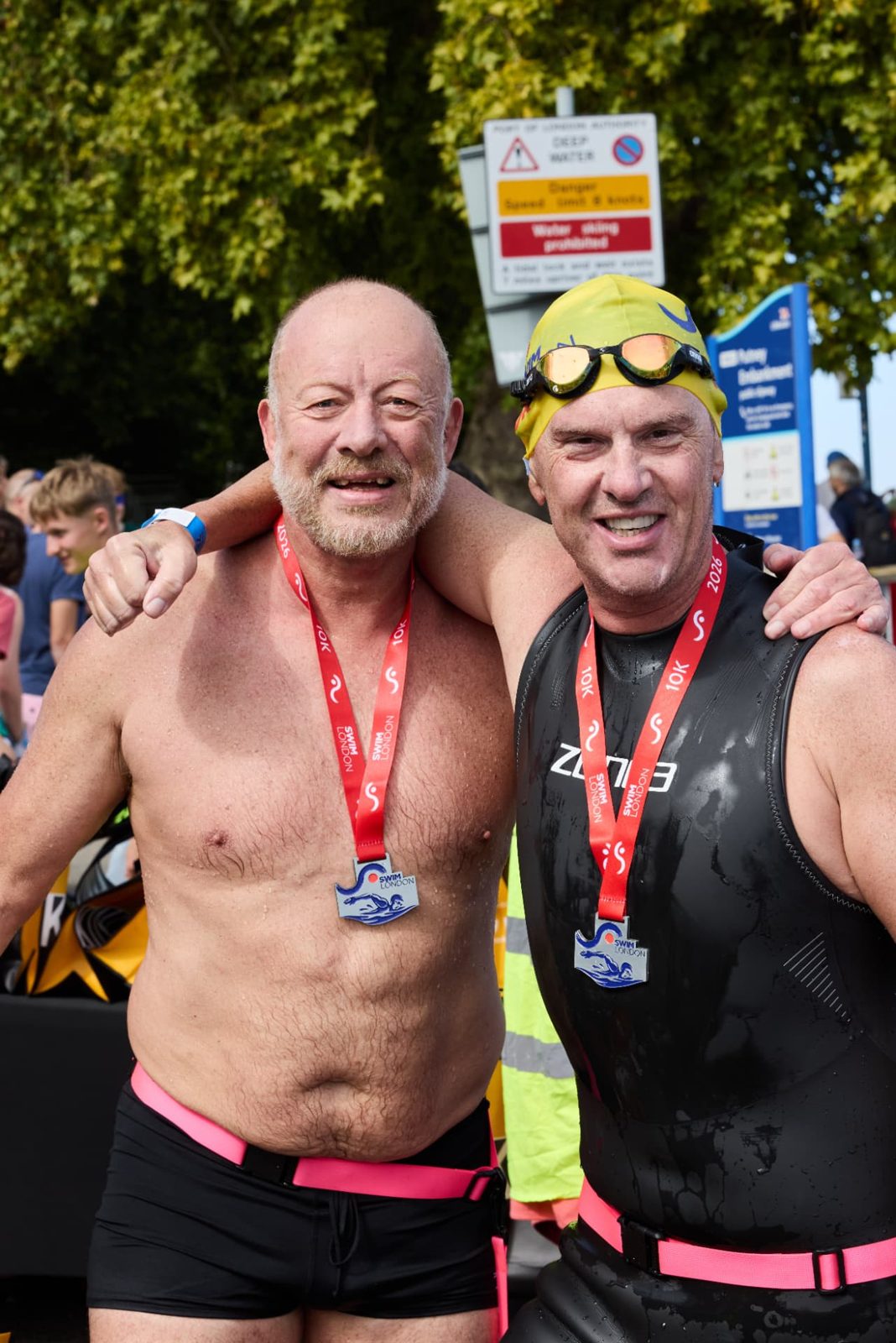
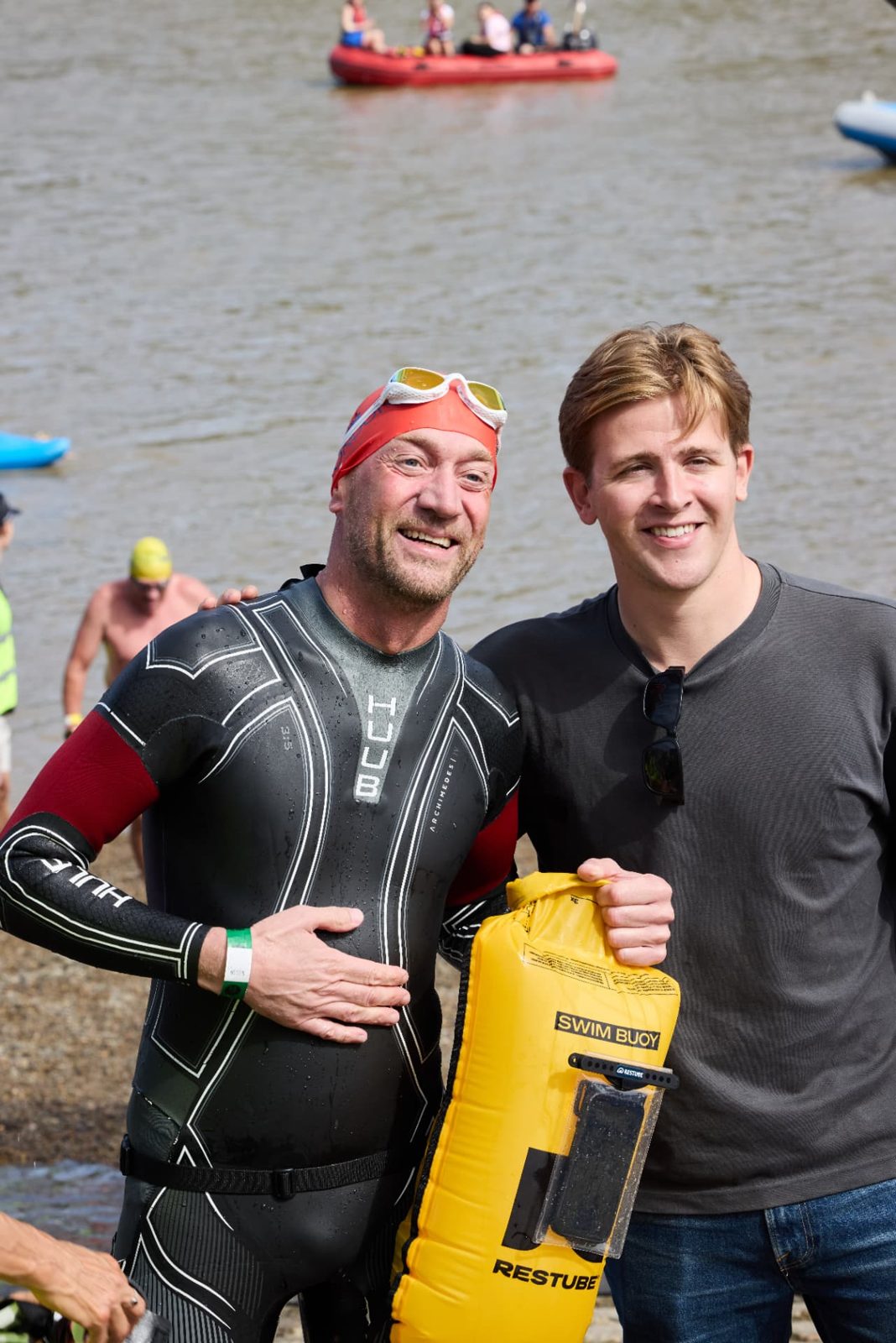
Seeing them celebrate with friends, families, volunteers and fellow swimmers was the moment I finally allowed myself to feel proud.
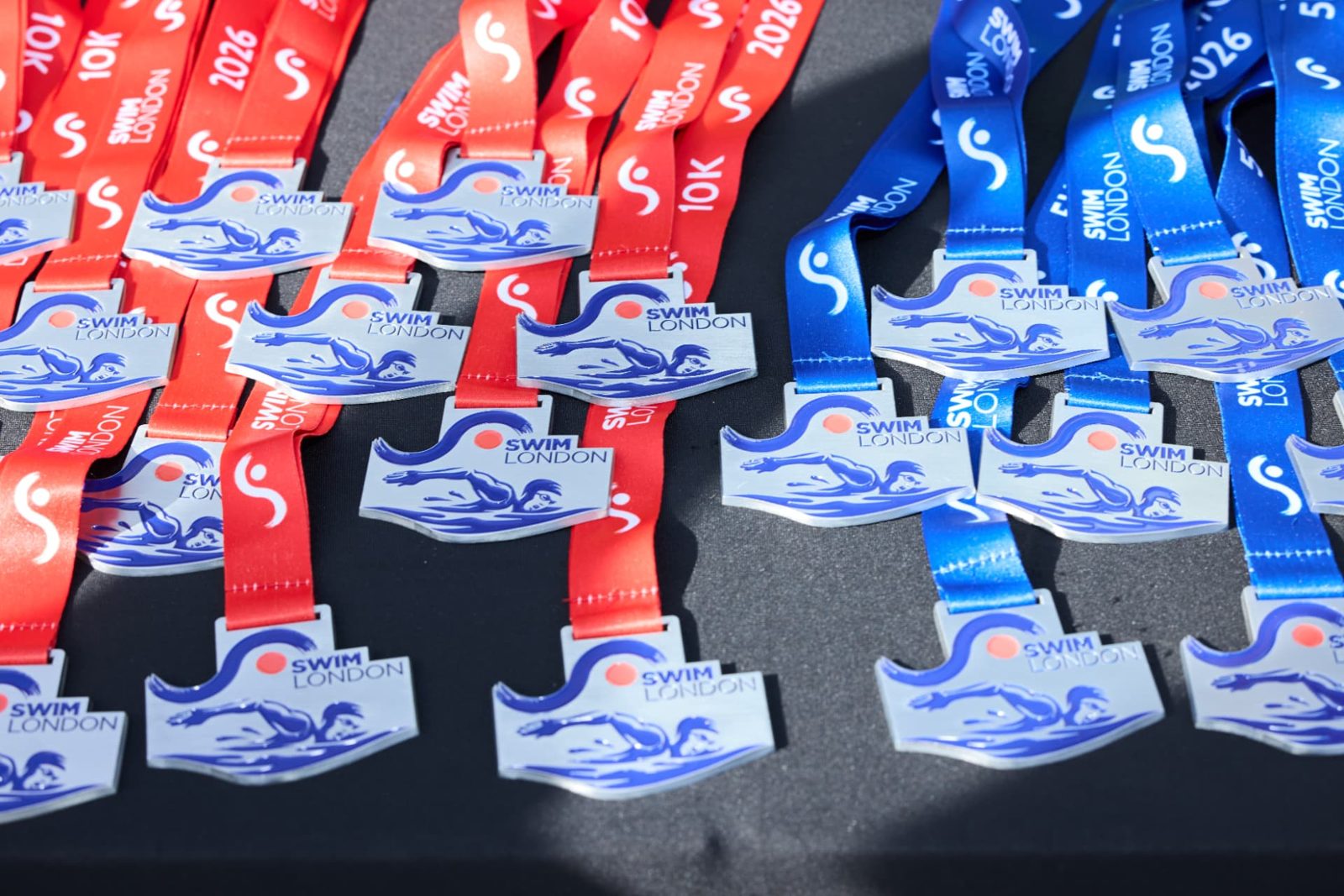
I spent much of my life competing in open-water races around the world, including at the Olympic Games. Swimming has taken me to some extraordinary places and given me experiences I never imagined I would have. But creating an opportunity for other people to swim through my home city felt meaningful in a completely different way.
When you are racing, the objective is straightforward: swim as fast as you can and try to beat the people around you. Organising Swim London required a different mindset. Success was seeing every swimmer enter the water confidently, experience the Thames safely and cross the finish line feeling that they had been part of something special.
It was also about proving that an event like this could happen.
Swim London would not have been possible without an extraordinary group of people. Our event team, water-safety crews, volunteers, officials, photographers, partners and supporters all helped turn an ambitious idea into a real event.
I am especially grateful to everyone who offered advice, challenged us to improve and trusted us to deliver. Thank you to krono, Martin Swim Safety, the Port of London Authority, NOWCA, Swimmable Cities, Thames Festival Trust and the Totally Thames Festival, Catch Swim, Magic5, Restube, Friends of the Thames, Imperial College Boat Club, Barnes Ladies Rowing, Brentford Boat Club and everyone else who played a part.
Most importantly, thank you to every swimmer who entered our first event. Signing up for something new requires trust. You placed that trust in us, arrived with energy and enthusiasm, and created the atmosphere that made the day what it was.
There are things we will learn from and improve. That is inevitable when building something for the first time. But the messages we have received since Sunday, from swimmers describing the organisation, safety, atmosphere and sense of occasion, have made every moment worthwhile.
The event also represented something bigger than a single day of swimming.
Londoners want a different relationship with their river. They do not simply want to look at the Thames, they want to experience it, protect it and feel that it belongs to them. Bringing swimming back to a river once considered too polluted to use is a powerful symbol of what has changed and what still needs to change.
This does not mean ignoring the serious challenges facing the Thames. Water quality must continue to improve, pollution must be addressed and swimming must only happen where it can be properly assessed and safely managed. But Sunday demonstrated what becomes possible when ambition is matched with careful planning, collaboration and a genuine respect for the river.
For me, Swim London is about reclaiming the Thames for Londoners — not recklessly, but responsibly. It is about showing people what our river can become and giving them a reason to care about its future.
Sunday was the first chapter.
Now we build from here.
— Toby Robinson, Founder, Swim London