
History of the Lords and Commons Cup
The Lords and Commons Swimming Cup stands as a remarkable testament to both the rise and fall of Thames swimming culture and the river's environmental health. This parliamentary-backed championship, which ran from 1877 to approximately 1960, not only legitimized outdoor swimming as a respectable sport but also served as an unwitting barometer of the Thames' deteriorating condition during the height of the Industrial Revolution.
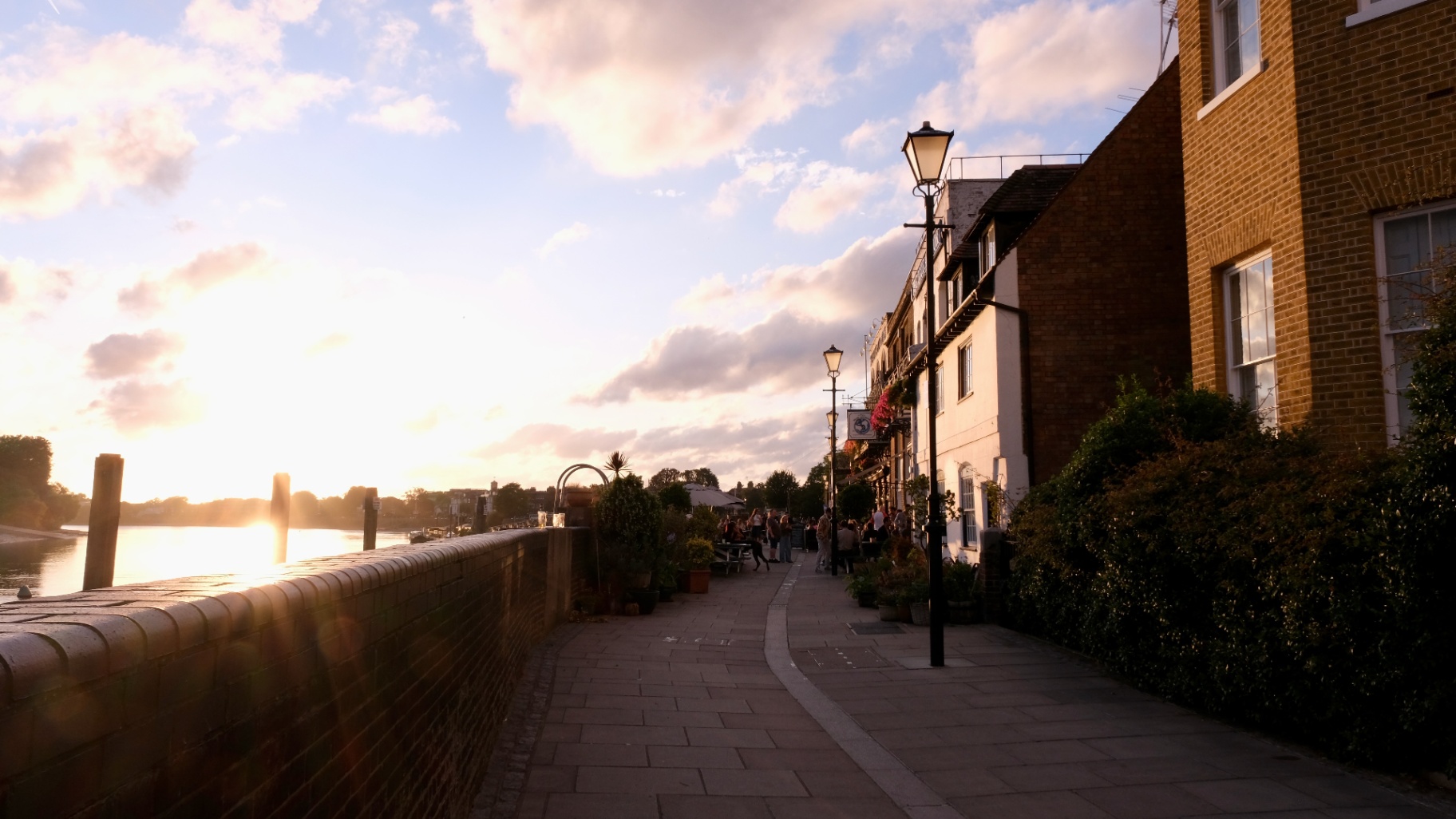
The Lords and Commons Swimming Cup stands as a remarkable testament to both the rise and fall of Thames swimming culture and the river's environmental health. This parliamentary-backed championship, which ran from 1877 to approximately 1960, not only legitimized outdoor swimming as a respectable sport but also served as an unwitting barometer of the Thames' deteriorating condition during the height of the Industrial Revolution.
The revival of this important sporting occasion, with its strong parliamentary links, will mark the revival of the Thames River and the rebirth of public swimming in this valuable social asset.
The Golden Age of Thames Swimming
By the 1880s and 1890s, the Thames had become Britain's aquatic colosseum. The Lords and Commons race helped spark an explosion of Thames swimming that transformed Victorian leisure culture. Floating swimming baths appeared at Charing Cross in 1875, filtering Thames water that was described as "clear and green". These elaborate structures, essentially iron ships containing pools, drew 150,000 gallons of filtered river water and charged one shilling admission.
The race's influence extended far beyond its annual running. All along the Thames, bathing places sprouted: at Tumbling Bay in Oxford (which saw 1,000 bathers on weekdays and up to 500 at any time on Sundays), King's Meadow in Reading, Solomon's Hatch in Henley, and Cuckoo Weir in Eton. The river that had carried commerce for centuries now carried a new cargo - the hopes and dreams of amateur swimmers.
This was the era when swimming truly became a spectator sport. When 14-year-old Agnes Beckwith dove from a boat at London Bridge in September 1875 and swam five miles to Greenwich, completing the journey in one hour and seven minutes, she drew crowds that newspapers described as numbering in the thousands. Her rival Emily Parker swam from London Bridge to Blackwall just days later, going nearly two miles further, with "pistols and small cannon fired from various points" celebrating her achievement.
The Thames swimming culture that the Lords and Commons race helped create was remarkably egalitarian for its time. While the race began with parliamentary subscribers, the river welcomed all classes. Professor Frederick Beckwith's swimming entertainments at Lambeth Baths attracted aristocrats and dock workers alike. Women, despite Victorian propriety, claimed their place in the water - Agnes Beckwith's 20-mile Thames swim in 1878, performed in an amber suit and stylish straw hat, proved women could compete as endurance athletes.
The race, subscribed for by members of both Houses of Parliament, originally ran from Putney to Westminster Bridge, lending an air of official respectability to what had previously been considered a working-class pastime.
The timing was no coincidence. Just two years earlier, in 1875, Captain Matthew Webb had become the first person to swim the English Channel, using the Thames as his training ground. That same year, 14-year-old Agnes Beckwith made headlines by swimming from London Bridge to Greenwich, attracting thousands of spectators who lined the banks and bridges. These feats captured the public imagination and transformed swimming from a private activity into a major spectator sport.
Parliamentary Patronage and Public Interest
The involvement of Parliament in establishing the swimming cup was crucial in legitimizing Thames swimming. The race attracted competitors from both the aristocracy and working classes, creating a rare social mixing ground in Victorian society. Among the early participants was Lord Knutsford, who had taken part in swimming races during his time at Cambridge University, bringing aristocratic credibility to the sport.
The most notable winner of the inaugural 1877 race was J.G. Elliot, who finished fifth in the first race for the long distance amateur championship. The race quickly evolved from a gentlemanly competition between parliamentarians into the premier long-distance swimming championship of Great Britain. By 1879, it had been handed over to the Metropolitan Swimming Association, and later to its successor, the Amateur Swimming Association (ASA), marking its transition from political novelty to serious sporting event.
The River as Environmental Barometer
The Lords and Commons Cup inadvertently a gauge of the Thames' environmental health. The race's 70-year trajectory perfectly mirrored the river's decline from the height of Empire to its mid-20th century nadir.
The warning signs were there from the beginning. The race began in 1877, just 19 years after the Great Stink of 1858, when hot weather had made the Thames' sewage problem so unbearable that Parliament considered relocating. MPs had rushed through emergency legislation in just 18 days, authorizing Sir Joseph Bazalgette's revolutionary sewer system.
Bazalgette's sewers, built between 1859 and 1875 at a cost of £3 million (about £342 million today), were an engineering marvel - 82 miles of intercepting sewers that carried London's waste eastward. Yet they merely moved the problem downstream. The sewers still dumped untreated sewage into the Thames, just further from central London.
Champions Who Made History
The Lords and Commons Cup attracted and produced some of the era's most celebrated swimmers, many of whom used their Thames achievements as stepping stones to international fame:
Matthew Webb (1848-1883) - Though better known for his Channel crossing, Webb's Thames swims were legendary. In July 1875, he swam 42.2 kilometers from Blackwall to Gravesend in under five hours, demonstrating the endurance techniques he would use in the Channel. His training swims in the Thames drew massive crowds and helped establish the river as the premier venue for distance swimming.
The Beckwith Dynasty: Professor Frederick Beckwith and his children Agnes and Willie dominated Thames swimming, with Agnes becoming "The Greatest Lady Swimmer in the World".
Agnes Beckwith (1861-1951) - Perhaps the most influential figure in popularizing Thames swimming, especially among women. At just 14, her 1875 swim from London Bridge to Greenwich drew unprecedented crowds. She went on to complete a 20-mile Thames swim in 1878, wearing an amber suit and a stylish straw hat, proving that women could compete as endurance athletes. Her performances inspired a generation of female swimmers and helped break down Victorian gender barriers in sport.
Frederick Cavill (1839-1927) - Known as the "Professor of Swimming," Cavill used the Thames to prepare for his Channel attempts. In July 1876, he swam over 20 miles from London Bridge to Greenhithe, the longest distance recorded in the Thames at that time. He later emigrated to Australia, where his family became swimming dynasty, revolutionising stroke techniques.
Emily Parker - Emerged as Agnes Beckwith's rival, swimming from London Bridge to Blackwall just days after Beckwith's famous swim, going nearly two miles further. Her swim was celebrated with "pistols and small cannon fired from various points," showing the theatrical nature of Victorian swimming events.
Others who used the Thames for training and publicity
The Finney Family: James Finney and his sister Marie performed "scientific swimming" exhibitions and competed in major races.
Mercedes Gleitze: The first British woman to swim the Channel (1927) trained in the Thames.
Annette Kellerman: The Australian sensation who revolutionized women's swimwear swam 13 miles from Putney to Blackwell in 1905.
Jonathan Swift regularly swam the Thames off Chelsea, Benjamin Franklin from Chelsea to Blackfriars in 1726, and Lord Byron boasted of swimming from Lambeth to Blackfriars as a teenager.
Catalysing the Swimming Movement
The Lords and Commons Cup played a crucial role in the broader popularisation of swimming in Victorian Britain. The race's establishment coincided with and helped drive several important developments.
Infrastructure Development: The popularity of Thames racing led to the construction of floating baths, particularly near Hungerford Bridge in London, which offered filtered Thames water described as "clear and green". Bathing pontoons and platforms appeared at Kingston, Reading, Windsor, and other Thames-side towns.
Standardization of Competition: The race helped establish standard distances and rules for long distance swimming. The ASA's involvement brought official timekeeping, safety protocols, and "standard certificates" for swimmers who finished within 10 minutes of the winner.
Media Coverage: The races attracted extensive press coverage, with detailed reports in newspapers spreading swimming enthusiasm nationwide. The dramatic nature of the competitions - with escort boats, cheering crowds, and sometimes musical accompaniment - made for compelling journalism.
Social Acceptance: The parliamentary backing gave swimming a respectability it had previously lacked. What had been seen as a dangerous activity practiced by dock workers and sailors became a sport suitable for gentlemen and, increasingly, ladies.
The Decline
The story of the Lords and Commons Cup is ultimately one of environmental tragedy. By 1900, records of the race cease, coinciding with the Thames reaching unprecedented levels of pollution. The early 20th century saw brief attempts at revival, but the damage was irreversible. The construction of municipal swimming pools offered a cleaner, safer alternative to river swimming.
The final blow came in 1957 when the Natural History Museum declared the Thames "biologically dead". Oxygen levels had fallen so low that no fish could survive in long stretches of the river. The great swimming highway that had hosted parliamentary races and attracted thousands of spectators had become what one official called "an open sewer".
Legacy and Revival
Though the Lords and Commons Cup lasted barely 25 years, its impact on British swimming culture was profound and lasting. The race helped establish swimming as a legitimate competitive sport, broke down social and gender barriers, and demonstrated the vital connection between environmental health and public recreation.
The Cup's history also serves as a cautionary tale about industrialization's environmental costs. The race literally moved upstream as pollution advanced, serving as an early warning system that went largely unheeded. Its demise presaged the river's biological death by more than half a century.
Today, as the Thames shows signs of recovery with returning wildlife and improving water quality, there is renewed interest in river swimming. Modern events like the Great River Swim and David Walliams' 2011 charity swim echo the Victorian era's aquatic enthusiasm. However, ongoing sewage discharge issues - dramatically illustrated by the cancellation of events like the Boulter's to Bray Swim in 2024 - show that the Thames has not fully recovered from its industrial past.
The Lords and Commons Swimming Cup remains more than a historical curiosity. It represents a time when Parliament members and working-class swimmers shared the same waters, when thousands gathered to watch teenagers race for miles through London's heart, and when the Thames was not just a commercial artery but a venue for sport, spectacle, and social change. Most importantly, it reminds us that the health of our rivers and the health of our communities are inextricably linked - a lesson as relevant today as it was in 1877.